
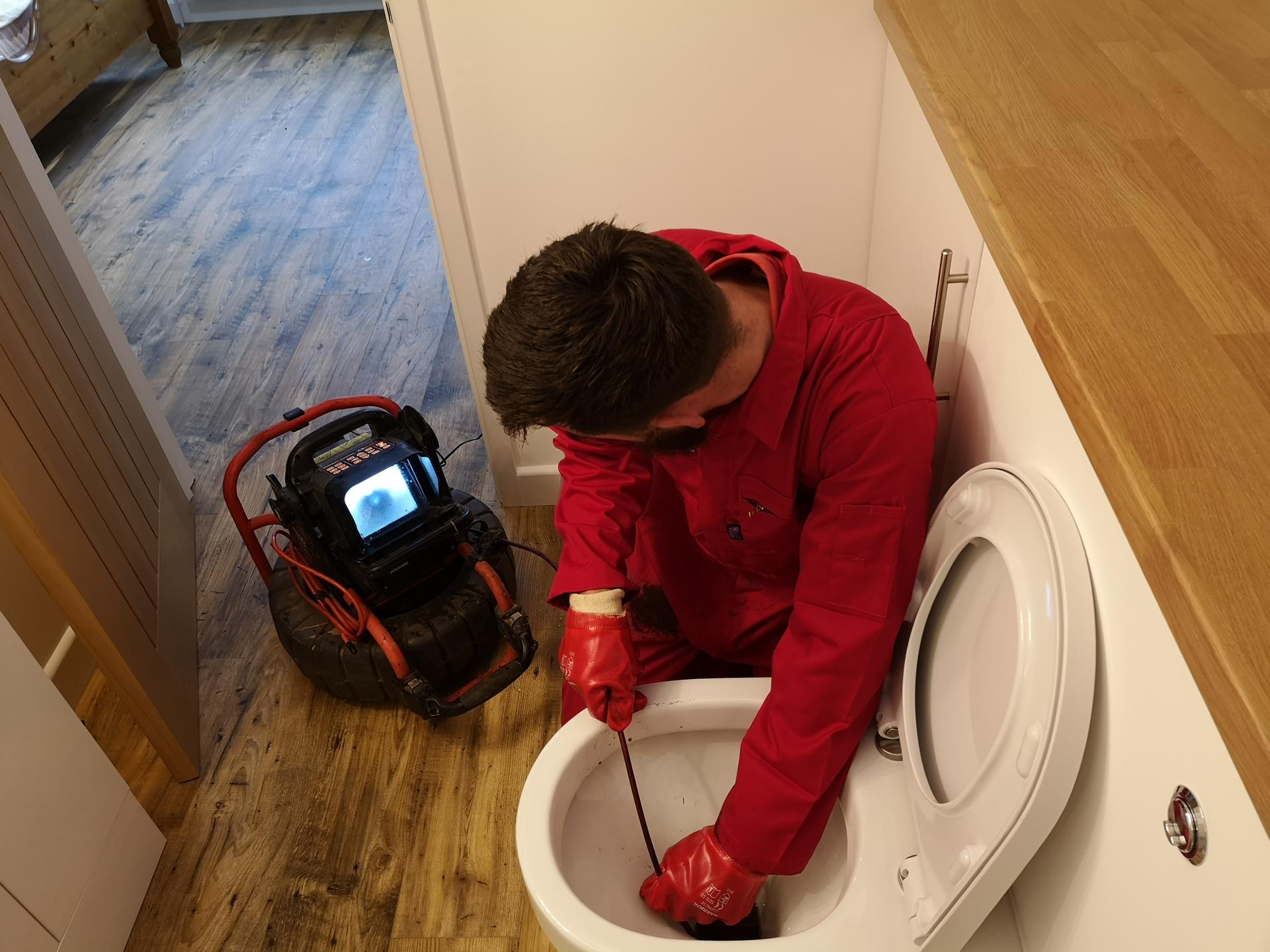
“Flushable wipes” are sold as a safe, convenient alternative to toilet paper, but drainage engineers across the UK agree on one thing: they are one of the leading causes of domestic drain blockages. Despite their name, most wipes do not behave safely once they enter your drainage system.
This article explains what really happens after you flush a wipe, why problems often appear months later, and how homeowners can protect their drains.
What does “flushable” actually mean?
There is no legally enforced standard in the UK that defines what “flushable” means from a drainage perspective. In most cases, manufacturers only test whether a wipe can pass through a toilet during flushing, not whether it breaks down safely in pipework, sewers or septic systems.
This distinction is crucial. Toilet paper is specifically designed to disintegrate quickly in water. Wipes are not.
Why wipes don’t break down like toilet paper
Most wipes are made using synthetic fibres, often blended with plastic materials. These fibres are designed for strength and durability, exactly the opposite of what household drainage systems require.
Once flushed, wipes:
- Remain largely intact
- Do not dissolve in water
- Resist tearing under pressure
As they travel through pipes, they easily snag on:
- Rough pipe surfaces
- Small cracks or joint gaps
- Existing debris inside older drains
One wipe alone may not cause a blockage. The real problem starts when multiple wipes accumulate.
How wipes lead to serious blockages
When the first wipe becomes caught inside a pipe, it creates a foundation for other materials to cling to. Over time, the following bind together:
- More wipes
- Fat and grease
- Soap residue
- Hair and food waste
This forms a dense mass that gradually restricts water flow. Because it builds up slowly, homeowners often don’t notice anything wrong until symptoms become severe.
Common warning signs
Many properties show early signs of wipe‑related issues, including:
- Toilets flushing slowly or incompletely
- Gurgling sounds from sinks or baths
- Bad smells that return after cleaning
- Drains that block repeatedly
- Problems worsening after heavy rain
In older Devon homes, these signs are often mistaken for “old plumbing”, when wipes are actually the trigger.
Why wipes are worse in older properties
Older homes, especially cottages and period properties are far more vulnerable to wipe damage. Many still rely on:
- Clay pipes with rough interiors
- Shallow gradients
- Shared drainage routes
Wipes snag easily inside these systems, accelerating wear and increasing the risk of pipe collapse or joint failure.
Shared drains and neighbour impact
In terraced housing or flats, drainage systems are often shared. Wipes flushed in one property can cause blockages elsewhere, leading to:
- Disputes between neighbours
- Responsibility confusion
- Costly emergency repairs
This is particularly common where several households use wipes regularly without realising the risk.
Septic tanks and soakaways
Flushable wipes are especially damaging in properties that are not connected to mains sewerage.
Inside septic systems, wipes:
- Do not break down
- Reduce tank capacity
- Interfere with bacterial processes
- Increase the risk of soakaway failure
Many septic tank callouts involve wipes that have accumulated unseen for years.
Why chemical drain cleaners don’t help
Chemical cleaners do not dissolve flushable wipes. At best, they may create a small channel through a blockage, giving the illusion of improvement while leaving the bulk of the obstruction intact.
In older pipes, chemicals can:
- Damage pipe materials
- Harden fats around wipes
- Increase long‑term repair costs
The simple rule to protect your drains
Drainage professionals follow the three‑Ps rule:
- Pee
- Poo
- Paper (toilet paper only)
All wipes, even those labelled flushable or biodegradable, should go in the bin.
When to get a professional drain inspection
If your property experiences repeat blockages, lingering smells or slow drainage, a professional CCTV drain inspection can:
- Identify flushable wipes build‑up early
- Prevent emergency callouts
- Protect older drainage systems
Despite the marketing, flushable wipes are one of the most common causes of preventable drainage problems in the UK. Avoiding them is one of the simplest ways to protect your home, your neighbours and your drains.
Get in touch with Drain Wizard today to guard against blocked drains.