
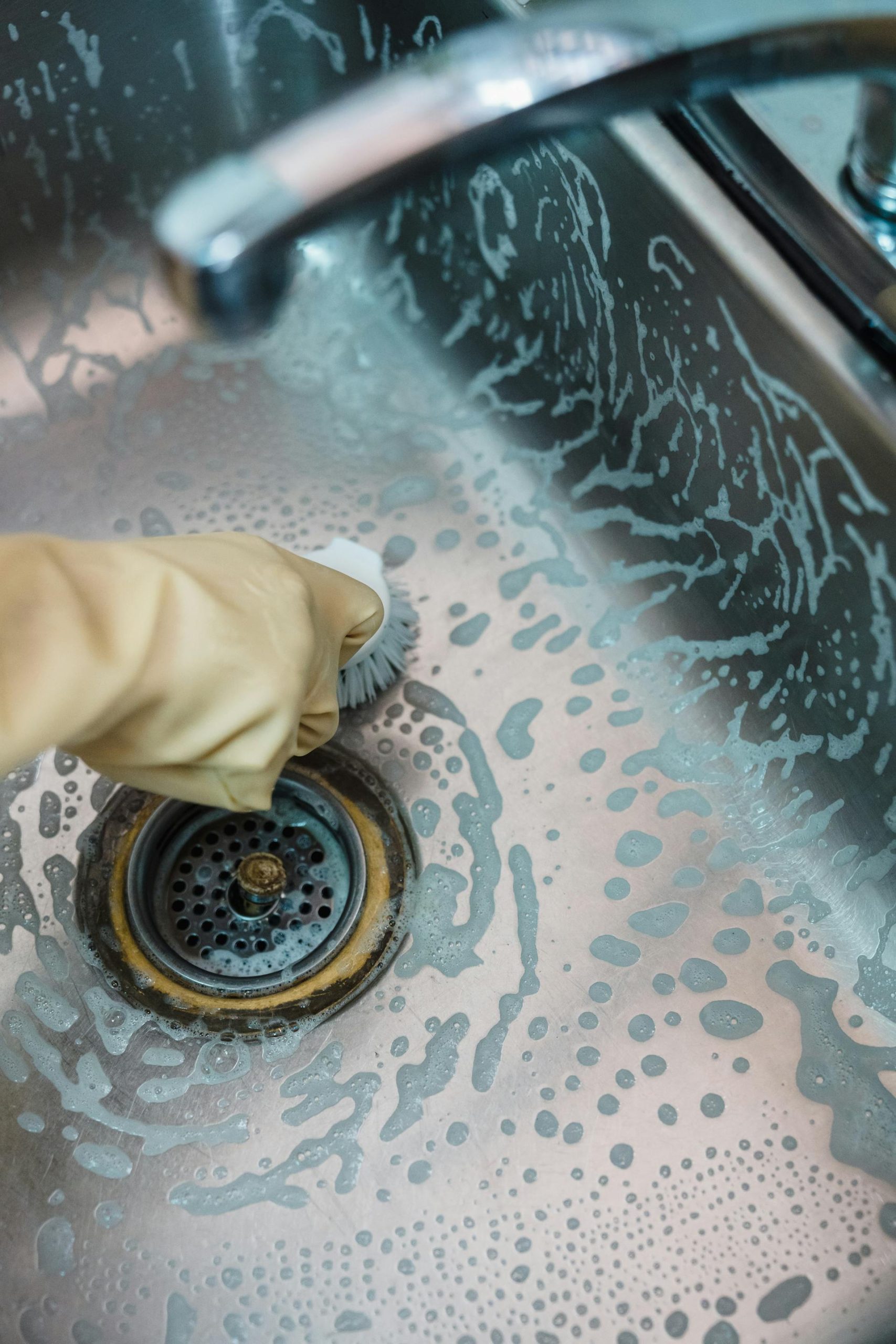
Slow drainage is often brushed off as a minor inconvenience, an annoyance rather than a problem. However, in most properties, sluggish drains are an early warning sign that something deeper within the system is starting to fail.
Ignoring slow drainage can allow small issues to develop into costly repairs, emergency call outs and even structural damage.
What causes slow drainage?
Slow drainage is rarely caused by a single factor. Common underlying causes include:
- A gradual build up of grease, debris or scale inside the pipework
- Partially collapsed or misaligned pipes
- Early root intrusion
- Poor pipe gradients that allow waste to settle
- Ground movement affecting older drainage systems
These problems often develop silently over time, meaning by the time water begins to back up, the damage may already be well underway.
Why slow drainage should never be ignored
Minor restrictions reduce flow efficiency, forcing water and waste to linger longer in the system. This can:
- Increase pressure on joints and connections
- Accelerate pipe corrosion or cracking
- Encourage tree roots to invade weakened sections
- Lead to bad smells and bacteria build up
- Cause blockages during heavy rain or high usage
What could have been resolved with early intervention often becomes far more expensive once pipes fail completely.

How early investigation saves money
A Drain Wizard professional assessment can identify the real slow drainage cause before major disruption occurs. CCTV drain inspections are particularly effective for spotting:
- Hairline fractures
- Root ingress at an early stage
- Pipe deformation and sagging
- Long term build up that standard cleaning cannot shift
Addressing these issues early usually means simpler repairs and far lower costs.
When to take fast action on slow drains
If you notice slow drainage in sinks, showers or toilets, even intermittently, it is worth having the system checked. Occasional problems often indicate a developing fault.
If your drains are draining slowly, it is best not to wait for a full blockage. Early checks can prevent much bigger problems later on.
Get in touch with our Drain experts now.